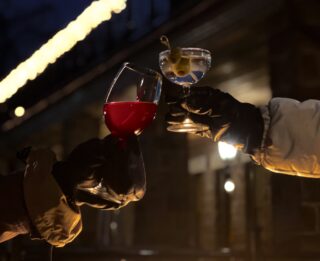
Two people toast with drinks in gloved hands by a fire pit at the Winterbar, one holding red wine and the other a cocktail garnished with an olive, all set against a backdrop of festive lights near Erlowest.

Culinary & Wine

Food and wine, approached with a clear point of view.

At Erlowest, food and wine are approached as part of the same conversation. One does not sit apart from the other, and neither is treated as a fixed offering.

The menu changes with the season, and the wine selection is built with equal attention. Decisions are made around origin, production, and how each element works at the table, rather than around familiarity or scale.

This section brings those ideas into focus. It introduces the way both are considered here, and opens into a series of articles that look more closely at topics such as wine regions, pairing, seasonal ingredients, and the structure of a well-composed meal.
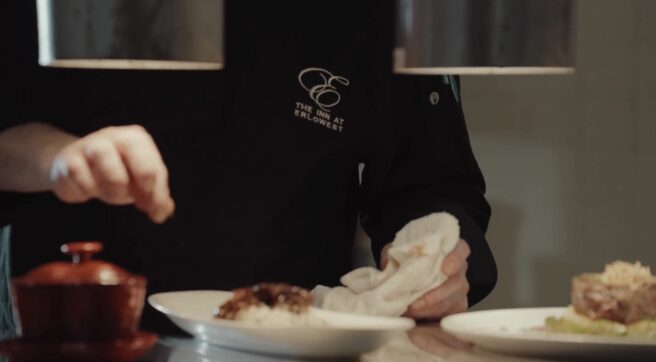
Chef garnishing appetizers under heat lamps

THE KITCHEN

Seasonality, structure, and how a menu evolves.

The menu is shaped by what is available at a given time and by how ingredients work together within a dish. It is not designed to remain fixed.

Under Chef Scott Dewar, that approach stays consistent. Some elements return, others do not, but the focus remains on balance, clarity, and how a dish carries through the course of a meal.

THE CELLAR

Regions, producers, and how a selection is built.

A strong wine selection is not built by trying to include everything; it comes from understanding where wines come from, how they are made, and how they behave at the table.That usually means focusing on regions with a clear identity, working with producers who are consistent in their approach, and choosing bottles that hold their character over time. At Erlowest, the selection follows that line of thinking.

Guided by Sommelier Natalie Barnes, the emphasis stays on wines that pair naturally with the menu and make sense within the overall experience. The result is a list that feels cohesive, whether you are ordering a single glass or following a full progression through a meal.

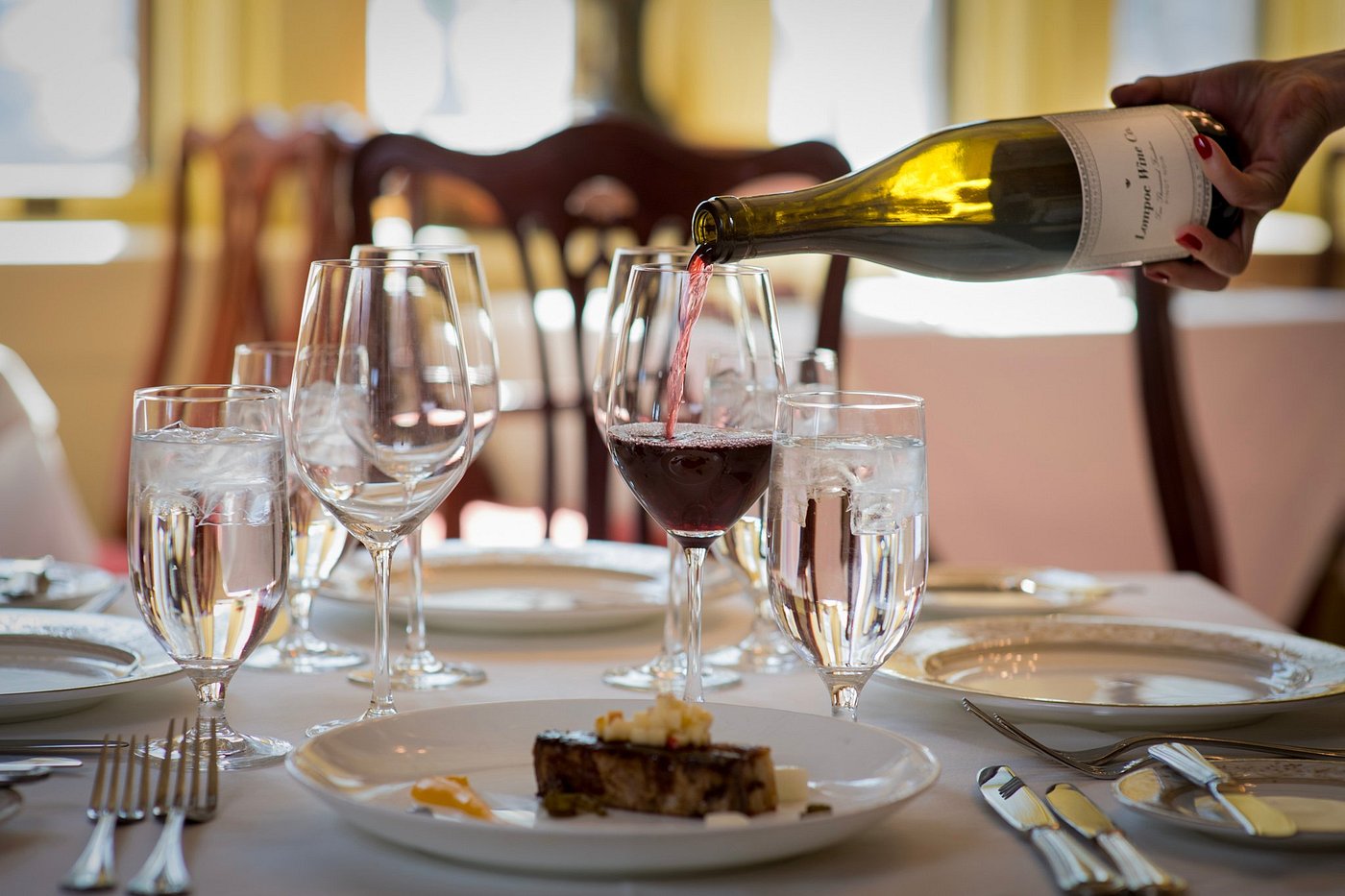
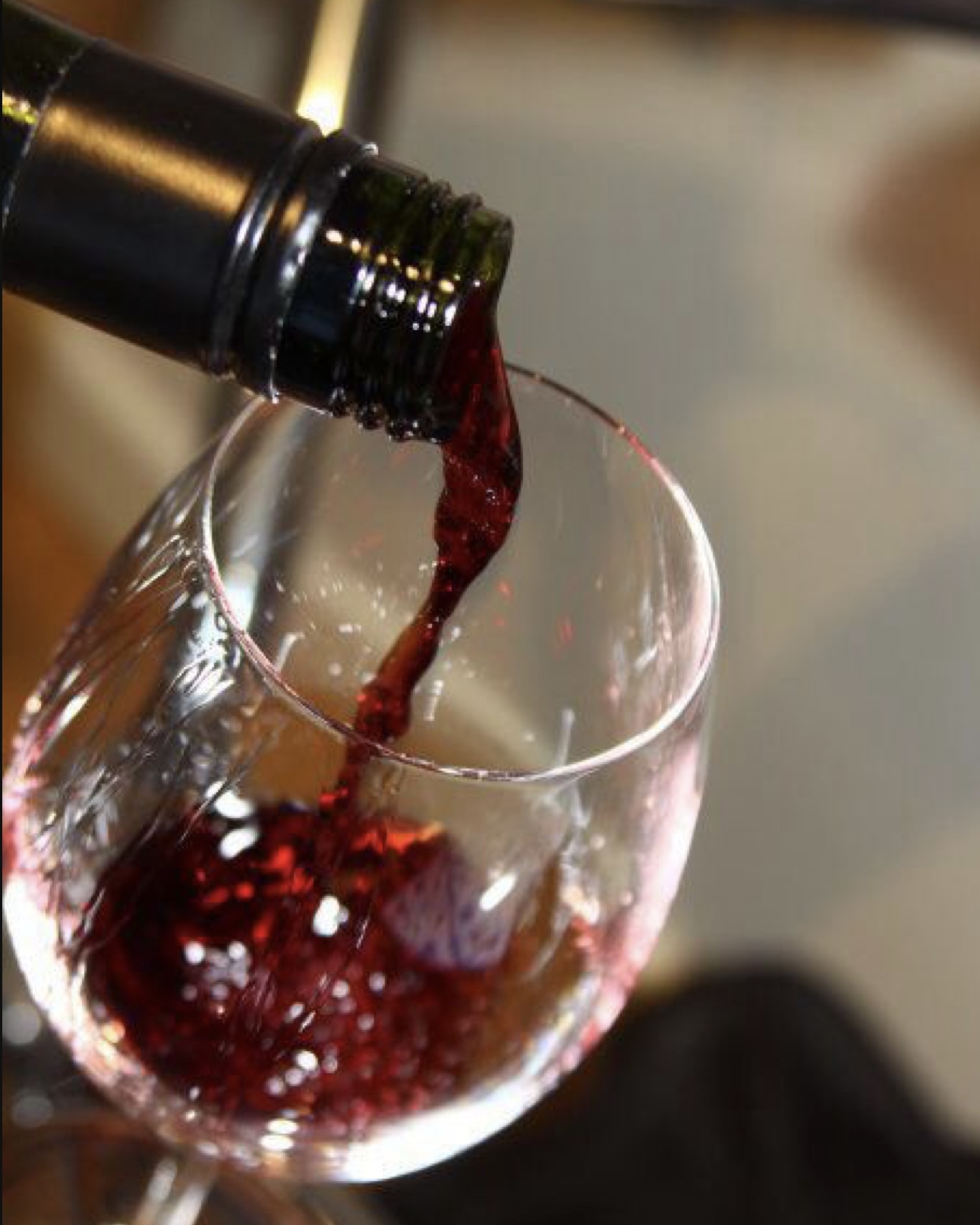
A bottle pours deep full-bodied red wine into a sparkling wine glass
Sommelier pouring wine at tasting in a high-end restaurant.

AT THE TABLE

How food and the cellar come together at the table

A meal is not built around separate elements, but around how each part moves into the next. What arrives at the table is meant to work together, with each choice supporting the other rather than competing for attention. That balance comes from understanding how flavors interact, how structure can complement or contrast a dish, and how the pacing of a meal allows those decisions to unfold naturally.

This is where pairing becomes part of the experience, not just an addition to it, and where the relationship between food and the cellar begins to define the evening as a whole.